Visitor's Guide to making the most of your historical experience
Visitor's Guide to making the most of your historical experience
Blog Article
The Sixth Floor Museum at Dealey Plaza: A Trip Through History
The Sixth Floor Museum at Dealey Plaza functions as an substantial venue for comprehending the assassination of President John F. Kennedy. Situated in the former Texas School Book Depository, it contains crucial exhibits that offer context to that sorrowful day. Visitors encounter a mixture of antique relics and digital presentations. As they investigate the museum, inquiries about JFK's enduring legacy and his impact on American society emerge organically. What understanding might they discover?
The Historical Importance of Dealey Plaza
Although commonly identified for its tragic relationship with the assassination of President John F. Kennedy, Dealey Plaza boasts a rich historical meaning that extends beyond this key moment. Located in Dallas, Texas, the plaza was designed in the early 20th century and illustrates the architectural aspirations of the time. It served as a vital hub for civic life, hosting various public events and gatherings, marking it as a focal point in the city's development.
The juxtaposition of present-day and historical elements is evident in the flanking edifices, encompassing the one-time Texas School Book Depository. This building, today housing the Sixth Floor Museum, sheds light on the moments of November 22, 1963. Dealey Plaza transcends a memorial site; it has become a symbol of change, reflecting the unrest and transformation characterizing the age. Its prominence as a space for the public persistently attract visitors striving to learn its deep and layered history.
Guest Details: Schedule, Passes, and Accessibility
The Sixth Floor Museum at Dealey Plaza welcomes visitors year-round, offering a range of hours to accommodate different schedules. Typically, the museum functions from 10 AM to 5 PM, with longer hours during peak seasons. Tickets can be purchased online or at the museum entrance, with discounts available for students, seniors, and groups. It is advisable to buy tickets in advance, especially during busy periods.
Accessibility is a priority at the museum. The facility is equipped with ramps and elevators, guaranteeing that all visitors, including those with movement difficulties, can traverse the exhibits comfortably. Additionally, the museum supplies assistive listening devices and materials in large print for those who require them. With its dedication to inclusivity, the Sixth Floor Museum strives to make the visit enriching for everyone, allowing all visitors to connect with the historical significance of the site.
How Does This Place Figure Into JFK's History?
A central element of John F. Kennedy's history, the Sixth Floor Museum at Dealey Plaza provides a striking recollection of the volatile events regarding his assassination on November 22, 1963. This location is where Lee Harvey Oswald fired the fatal shots that redirected the course of American history. Based in the Texas School Book Depository, the museum not only memorializes JFK's legacy but also delves into the broader significance of his presidency and the era's political landscape. The plaza has transformed into a symbol of both tragedy and transformation, illustrating the nation's collective grief and the questions that endured in the aftermath. By keeping artifacts and narratives from that fateful day, the museum cultivates reflection on the impact of Kennedy's leadership The Sixth Floor Museum at Dealey Plaza weather and the profound loss felt across the United States. Consequently, Dealey Plaza stands as an important site for understanding the complexities of JFK's life and legacy.
Key Exhibits: What to View at The Sixth Floor Museum
At the Sixth Floor Museum, visitors can explore a variety of displays that vividly illustrate the events surrounding JFK's assassination and his enduring legacy. Among the important displays is the famous sniper's perch, which offers understanding of the viewing location from which Lee Harvey Oswald fired. Historical photographs and documents chronicle the assassination day, allowing guests to experience the moment as it unfolded. Additionally, the museum showcases personal artifacts belonging to Kennedy, highlighting his life and presidency. Visitors can engage with displays that address the impact of his assassination on the nation and the world, emphasizing themes of hope and change. Each exhibit helps strengthen the comprehension of JFK's impact and the deep national mourning following his death, making the museum a poignant memorial to a pivotal moment in American history.
Multimedia Shows and Creations to Discover
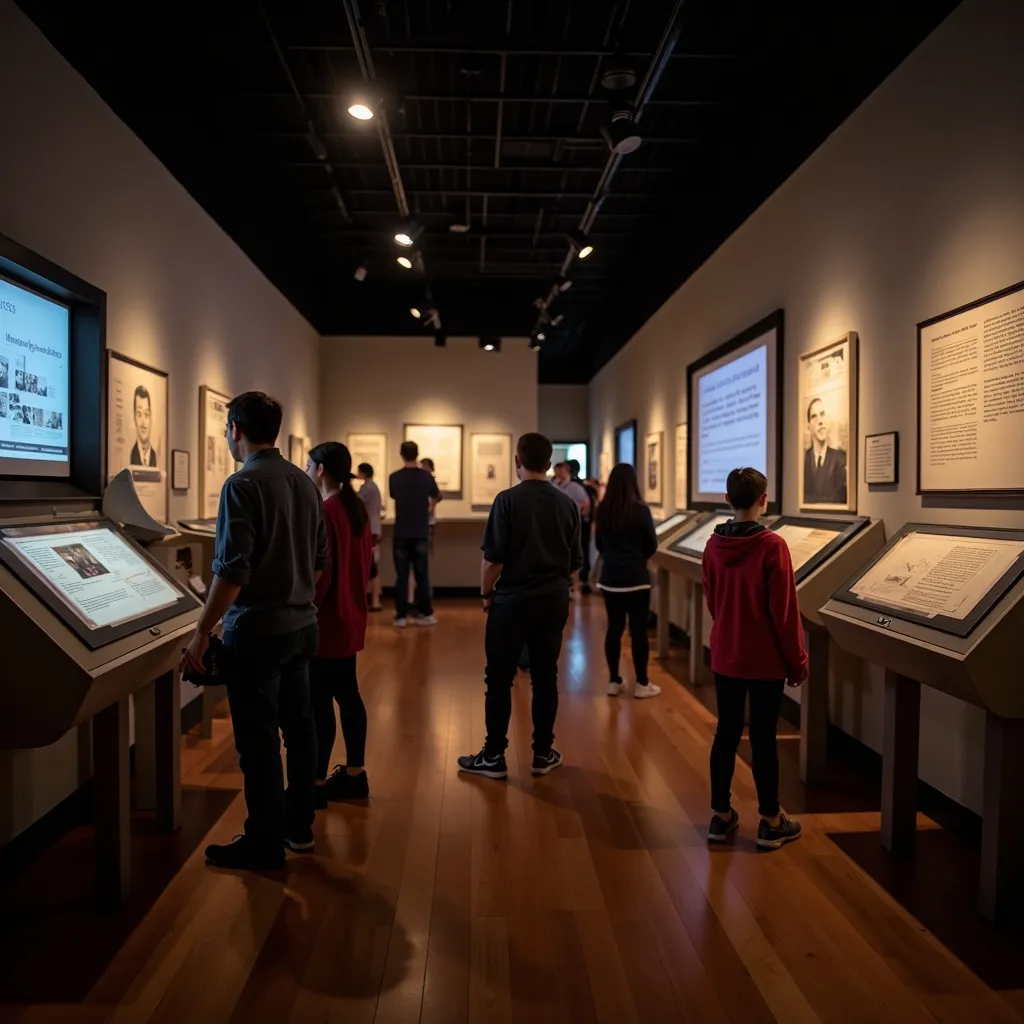
While visiting the Sixth Floor Museum, visitors encounter a extensive range of interactive media that enhance the narrative of JFK's life and assassination. These compelling installations feature visual content, audio content, and participatory installations that bring guests to key events in history. Importantly, a chronological sequence surrounding the assassination permits a fuller grasp of the setting and meaning of that historic date in 1963.
Objects such as original newspaper headlines, personal letters, and photographs further engage visitors, providing tangible connections to the past. The museum's focus on displaying diverse perspectives is evident in its thoughtfully selected content, which includes first-hand accounts and scholarly analyses. Combined, these visual and audio components alongside historical objects establish an immersive experience, prompting guests to reflect on not only JFK's legacy but also the broader impact of his presidency on American history. This deliberate combination of technology and historical materials cultivates a more profound recognition for the complexities of the era.
Insights Obtained from Guided Tours and Educational Programs
How might instructional tours and educational programs enhance the visitor engagement at the Sixth Floor Museum? These initiatives furnish methodical, revealing studies of the museum's extensive historical context. Knowledgeable guides conduct visitors through pivotal moments in American history, weaving narratives that bind artifacts with their greater significance. This narrative framework fosters a deeper emotional engagement, as participants gain perspectives that foster critical thinking.
Educational courses including lectures and workshops deepen the experience by offering authoritative perspectives into specific themes such as the effect of communications on public perception during the 1960s. By facilitating discussions and fostering inquiry these programs form an participatory educational environment.
Reflections on JFK's Impact and Impact on America
The legacy of John F. Kennedy continues to influence American political and cultural realm, representing his vision for a more inclusive society. His executive tenure catalyzed major transformations, impacting both public policy and societal attitudes. As the nation manages ongoing change, JFK's impact remains a focal point for discussion and analysis.
Continuous Significance in Politics
Although John F. Kennedy's administration was shortened, his influence on American politics persists as profound. His idea of a "New Frontier" motivated a generation of people to take part in civic engagement and pursue progressive change. Kennedy's promotion of civil rights, notwithstanding initial reluctance, signified a crucial transformation in the national discussion, creating the foundation for subsequent legislation. His dedication to addressing international challenges, shown by the Peace Corps, highlighted an duty for global partnership. The principles he supported, such as social justice and economic equality, keep resonating in current political debate. Furthermore, the tragedy of his assassination stirred the public mood, changing the political landscape and triggering widespread contemplation regarding leadership and governance in America. JFK's legacy remains powerful, shaping political aspirations to this day.
Cultural Transitions and Transformation
Kennedy's presidency not only influenced political aspirations but also ignited significant cultural shifts across America. His concept of a "New Frontier" galvanized a cohort, underscoring civil rights, space exploration, and social development. The hopefulness of the early 1960s fostered a sense of unified identity, motivating young Americans to tackle issues such as equality and civic duty. Additionally, Kennedy's magnetism and eloquent speeches resonated powerfully, shaping popular culture and media portrayals of leadership. The tragic assassination in 1963 amplified this cultural impact, solidifying his status as a symbol of hope and change. As an outcome, Kennedy's legacy persists in generate reflection on American beliefs and aspirations, prompting ongoing discussions about the nation's path and the importance of civic engagement.
Popular Asked Questions
Is it permitted to snap Photographs within the Sixth Floor Museum?
Photography inside the museum is generally restricted to maintain the exhibits and acknowledge the memorial character. Visitors should verify detailed rules upon arrival, as regulations may vary for special events or exhibitions.
What age limitations exist for visitors?
There are no particular age requirements for patrons. The museum invites individuals of all ages, inspiring families and children to explore its collections and understand the historical value of the location.
Is Consumables Allowed in the Museum?
Food and drink are prohibited inside the museum to maintain the integrity of the exhibits and ensure a proper setting for all visitors. Guests are advised to enjoy refreshments in marked spots outside.
How much Duration Should You Expect for a Regular Visit?
A typical visit to the museum spans around one to two hours. Visitors often explore exhibits, engage with multimedia displays, and absorb historical context, creating the experience both educational and introspective for each individual.
Are there notable happenings or offerings that occur throughout the year?
The museum presents numerous programs and special events over the course of the year, featuring commemorative activities, exhibitions, and lectures, meant to attract visitors and expand their knowledge of history and its relevance within the Dallas community.
Please visit one of our local supporters - Aerius View Drone Survey Dallas
Report this page